How Proper Foundation Ensures Durability
Creating a beautiful and durable outdoor space often starts with installing pavers. However, the longevity and stability of these structures heavily depend on the base material chosen for installation. The right foundation not only supports the weight of the surface but also prevents issues like shifting or cracking over time. This guide explores the critical role that base material plays in ensuring long-lasting paver installations.
Why Base Material Matters
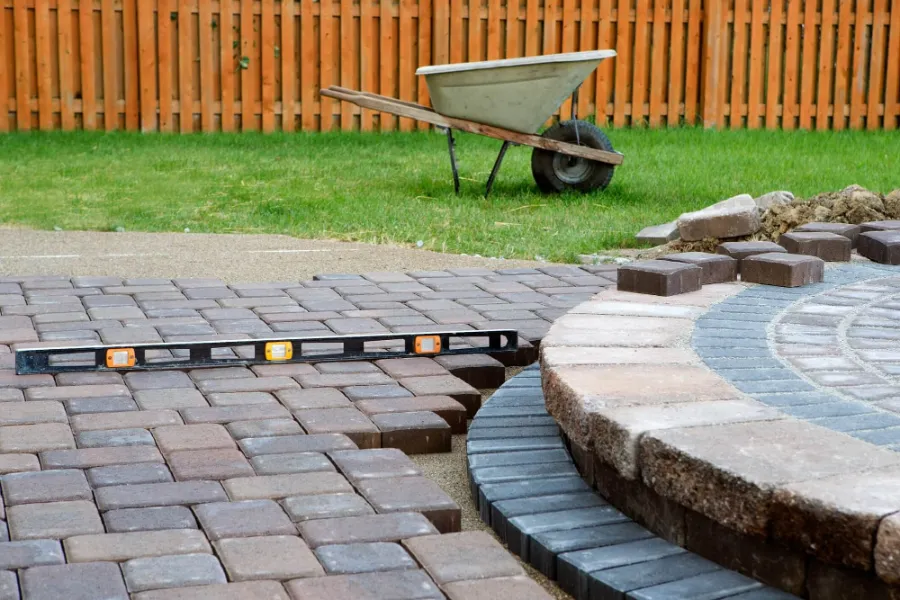
The choice of base material is crucial in any outdoor construction project because it directly impacts the durability of the finished surface. A well-prepared base provides stability, drainage, and support. It ensures that the pavers remain level and resist wear over time. Poorly selected materials can lead to uneven surfaces and costly repairs. Thus, selecting the appropriate base is essential for successful paver installation.
Common Types of Base Materials
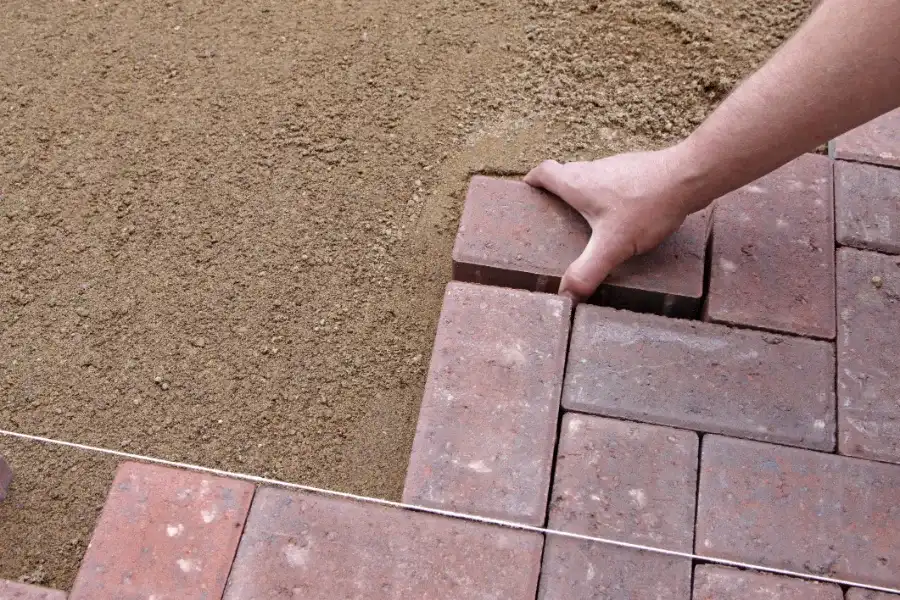
There are several types of base materials commonly used in paver installations, each offering different benefits. Crushed stone, gravel, and sand are popular choices due to their ability to compact tightly and drain water effectively. Limestone screenings provide an excellent base layer for patio projects. Each material type comes with specific advantages, making it suitable for different environments and design goals.
Challenges With Improper Base Selection
Selecting the wrong base material can present various challenges. For instance, choosing a material that doesn’t drain well may lead to water pooling, causing damage during freeze-thaw cycles. Inadequate compaction can result in movement and settling, leading to uneven surfaces. Understanding these potential problems helps avoid common pitfalls associated with improper paver installation.
Steps to Prepare a Quality Base Layer
- Excavate the area to the proper depth according to the type of pavers being used.
- Lay down a geotextile fabric to prevent weeds and soil mixing with your base materials.
- Distribute the base material evenly across the surface.
- Compact the base using a plate compactor until it reaches the desired density.
- Ensure a slight slope for efficient drainage away from buildings.
Best Practices for Choosing Base Material
When selecting a base material, consider factors such as local climate, soil conditions, and intended use of the paved area. Investing in high-quality materials and professional installation services will ensure a stable and enduring finish. Always prioritize materials known for their strength and drainage capabilities.
Cost Implications and Value Considerations
The cost of base materials varies depending on quality and geographic location. While cheaper alternatives may reduce initial costs, they often lead to higher maintenance expenses over time due to repairs. Assessing long-term costs versus upfront savings is vital when planning a budget-friendly yet effective paver installation.
Your Reliable Partner for Durable Installations
If you’re looking for expert guidance on creating lasting outdoor spaces, M.A.M. Concrete offers comprehensive solutions tailored to meet your needs. Based in Pueblo, CO, I specialize in delivering high-quality results that stand the test of time. Call (719) 674-4246 today for personalized advice and service you can trust.