A sunken slab is one of those problems that looks worse than it is. That dipped driveway panel or the sidewalk square that has become a toe-catcher usually does not need to be torn out and repoured. In most cases it can be lifted back into place in a morning, for a fraction of replacement cost.
There are two proven ways to do it: traditional mudjacking and polyurethane foam. They reach the same result — a level slab — but they cost differently and shine in different situations. This guide breaks down 2026 pricing for both, how each one works, and how to tell when leveling is the smart call versus when it is time to replace.
Mudjacking vs. foam: cost at a glance
Both methods are priced by the square foot of slab being lifted, with a minimum for small jobs. Foam costs more per foot but uses far less material and cures in minutes; mudjacking is cheaper per foot and well suited to big slabs. Here is the quick comparison:
| Method | Cost per sq ft | Typical small job | Best for |
|---|---|---|---|
| Mudjacking (slurry) | $3–$8 | $500–$1,200 | Larger slabs, budget-driven repairs |
| Polyurethane foam | $8–$25 | $500–$1,500 | Precision lifts, fast return to use |
These are general ranges for planning — your exact price is confirmed on a free on-site estimate. The final number depends on how much slab needs lifting, how far it has to rise, and what caused it to settle in the first place.
How mudjacking works
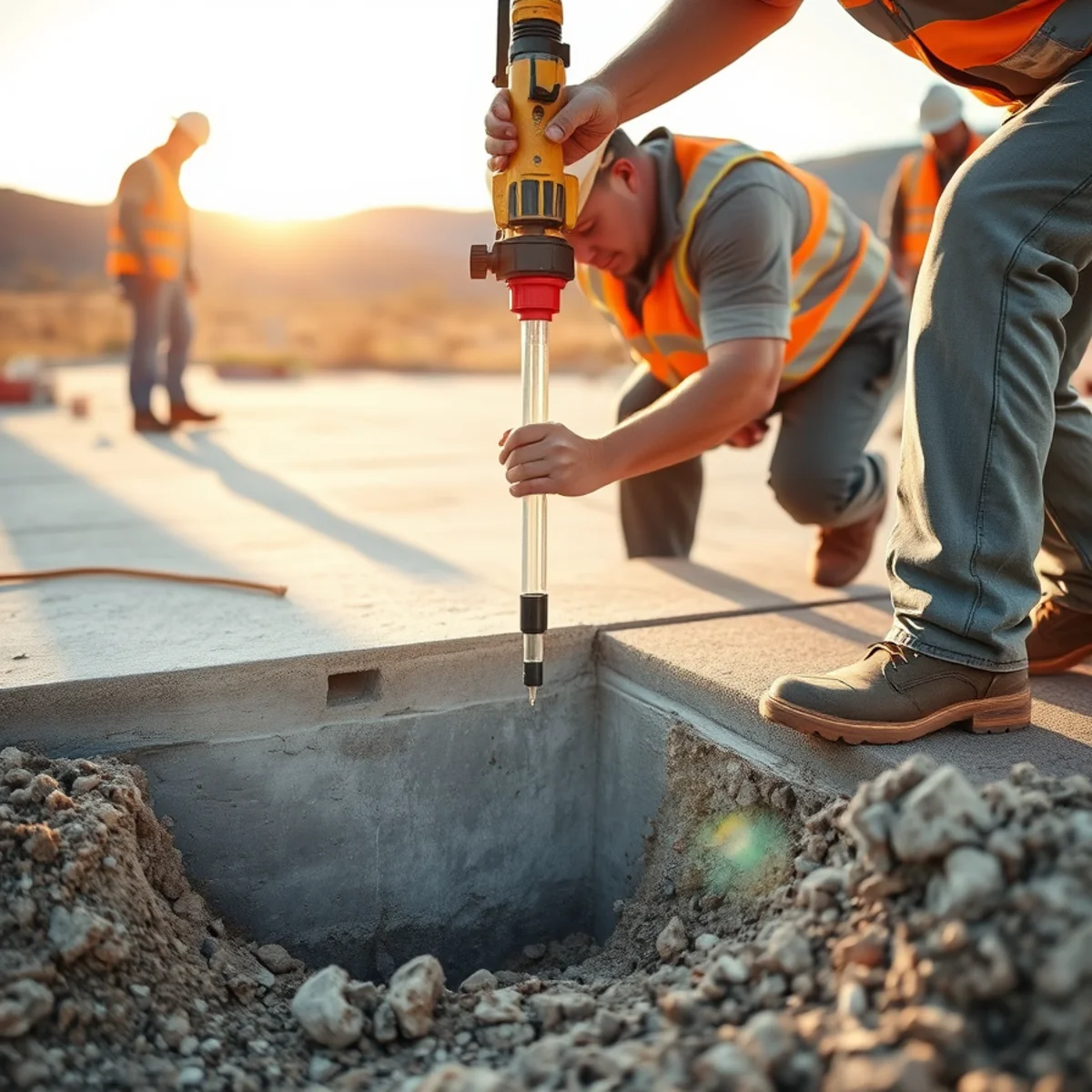
Mudjacking, also called slabjacking, pumps a slurry of cement, soil, and water through holes drilled in the slab. The slurry fills the voids underneath and its pressure floats the concrete back up to grade. We then patch the holes. It is a decades-proven method, and the material is inexpensive, which keeps the per-foot price low.
- Lower cost per square foot — the slurry is cheap, so big areas stay affordable.
- Great for large, heavy slabs — driveways and garage floors where sheer lifting power matters.
- Larger access holes — roughly the size of a soda can, and heavier material adds weight to the soil.
- Longer cure — you wait a bit before full use while the slurry sets.
How polyurethane foam works
Foam leveling injects a two-part polyurethane through small ports drilled in the slab. The foam expands underground in seconds, filling voids and raising the concrete with precision. It is lightweight, waterproof, and cures hard within about 15 minutes — so a driveway can often take traffic the same day.
- Precise, controlled lifts — ideal for slabs that need to meet an exact height.
- Fast cure — most surfaces are back in use within the hour.
- Tiny injection holes — about the size of a dime, so patches nearly disappear.
- Lightweight and waterproof — adds almost no load to soil and will not wash out.
- Higher price per foot — you pay more for the speed, precision, and material.
Which method is right for your slab?
There is no single winner — it comes down to the slab and your goals. A simple way to think about it:
- Choose mudjacking for large slabs, tight budgets, and jobs where a same-day return to use is not critical.
- Choose foam when you need a precise lift, minimal visible holes, a fast turnaround, or a lightweight fill over poor soil.
- Either works for typical sunken driveway panels, sidewalks, and patios — we will recommend the better fit after we see it.
Leveling lifts a slab — it does not rebuild one
When leveling beats replacement
The math usually favors leveling. Lifting a sunken slab typically runs a fraction of tearing it out and pouring new, and it is done in hours instead of days — no demolition, no curing week, no new slab that has to weather in. If your concrete is solid but sitting low, leveling is almost always the first thing to price.
Replacement makes more sense when the slab has lost its integrity: wide structural cracks, sections that have broken apart, severe surface scaling, or a slab that has settled because the base beneath it is simply gone. In Pueblo's expansive soil, settlement often traces back to moisture moving under the slab, so we also look at drainage — fixing the cause so the repair lasts. Our concrete leveling service page covers the full process.
Slabs we level around Pueblo
We lift all the usual suspects: sunken driveway panels, trip-hazard sidewalk squares, settled patios, garage and shop floors, pool decks, and porch and step landings. If it is concrete and it has dropped, there is a good chance we can raise it.
Not sure whether your slab is a candidate for leveling or ready for replacement? That is exactly what a free estimate answers. We serve Pueblo, Pueblo West, and the surrounding county, give straight recommendations, and take 10% off for veterans. Call M.A.M. Concrete at (833) 334-0468 and we will take a look.
Frequently asked questions
Written by M.A.M. Concrete
A locally owned concrete contractor pouring driveways, patios, and foundations across Pueblo County & Southern Colorado. We write what we know from the job site.
Services mentioned in this article
Concrete Leveling & Mudjacking
Sunken concrete leveling and mudjacking in Pueblo — raise driveways, walkways, and patios for a fraction of replacement cost, often in a day.
Learn moreConcrete Repair
Concrete crack repair, spalling, and resurfacing in Pueblo — we fix the cause, not just the symptom, and tell you when to repair vs. replace.
Learn moreConcrete Driveways
New driveways, replacements, and widening — poured with a 4,000 PSI air-entrained mix built for Pueblo freeze-thaw.
Learn more