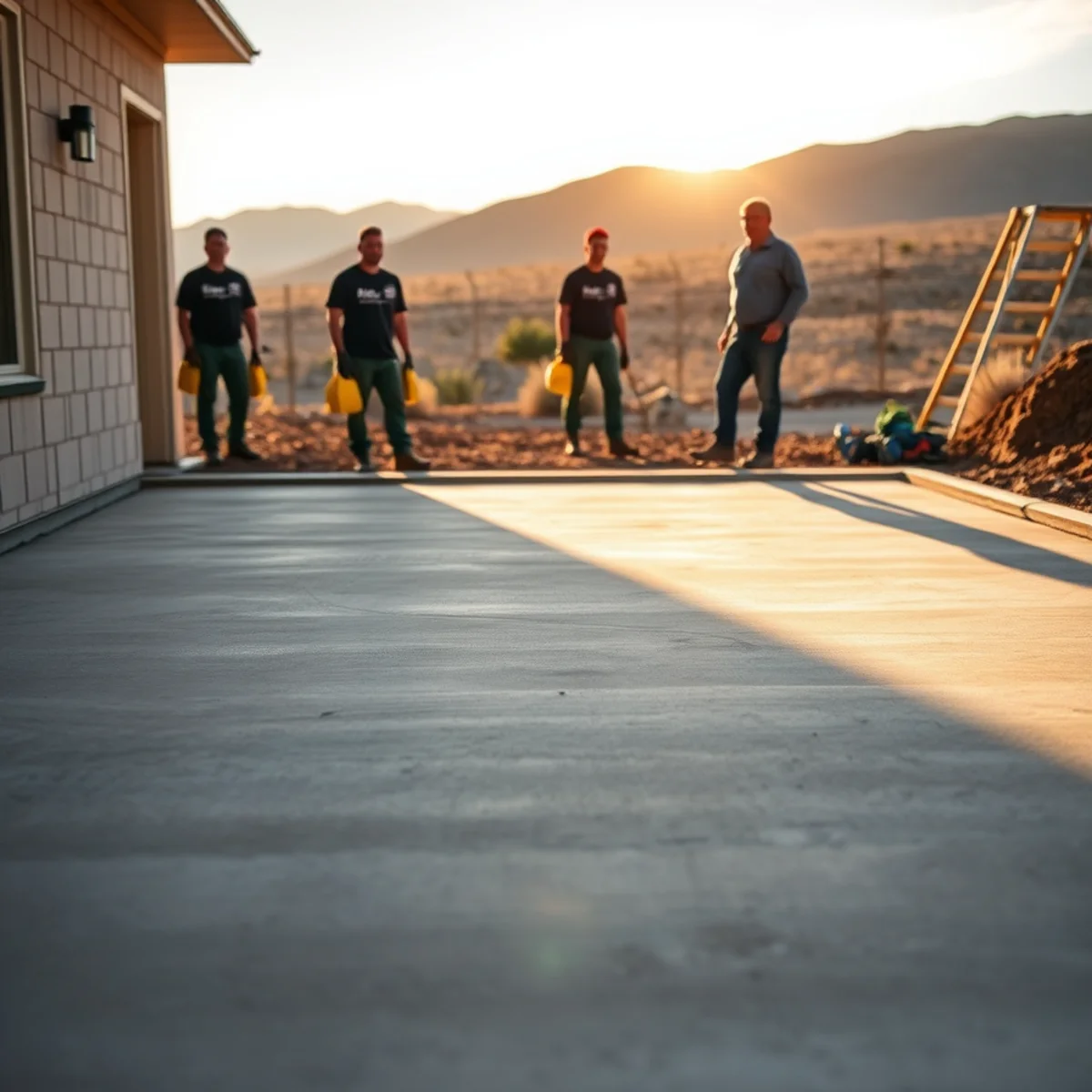
A basement is the most cost-effective square footage in your house — but only if the floor underneath is dry, level, and solid. A cracked, damp, or out-of-level basement slab undermines everything you'd want to do down there, from finished living space to simple dry storage.
M.A.M. Concrete pours and prepares basement concrete floors for Pueblo homes, and basements are work we have done from the start. We handle new basement slabs, vapor-barrier and drainage prep, leveling of floors that have settled, and the surface prep that gets a slab ready to finish or coat. The goal is a flat, dry base you can build a room on with confidence.
Finishing your basement, fixing a slab that's heaved, or starting from bare dirt — we'll pour it to keep moisture out and stay level.
Why basement floors need special attention in Pueblo
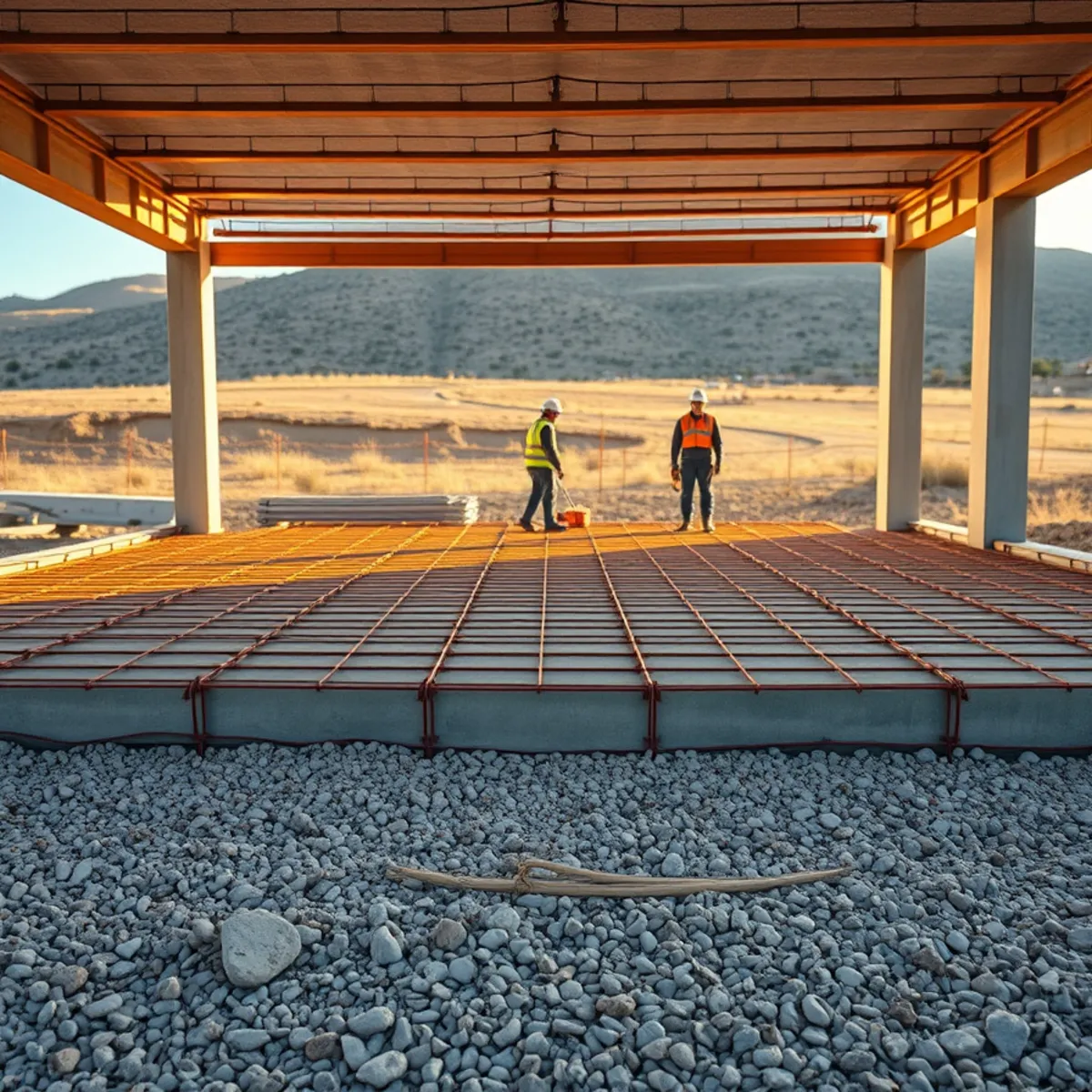
A basement slab has a problem the rest of your concrete doesn't: it's surrounded by soil on every side, and in our region that soil is expansive clay that swells with moisture. Water and vapor push against the slab from below and the sides, and expansive soil can heave a floor that was not isolated and reinforced for it. That's why the layers under the concrete matter as much as the concrete itself — a compacted base, a proper vapor barrier, and drainage that keeps hydrostatic pressure off the slab.
Handle the moisture and the soil movement correctly and the floor stays dry and flat. Ignore them and you get a damp, cracked slab that ruins whatever flooring or framing goes on top.
Basement floor work we do
Starting fresh or fixing what is there, we cover the full range:
- New basement slabs — poured over a compacted base and vapor barrier, at the right thickness and reinforcement.
- Vapor-barrier and moisture prep — the sub-slab layers that keep ground moisture from wicking up into your floor.
- Leveling and flattening — correcting a slab that has settled or heaved, or flattening a rough one to take finished flooring.
- Surface prep for finishing — grinding and cleaning a slab so tile, flooring, or a coating bonds and lies flat.
Getting a basement floor ready to finish
Finished flooring and framing are only as good as the slab under them, so the prep sequence matters:
- Assess moisture and level. We check for vapor coming through the slab and map high and low spots before any work.
- Address moisture. Where needed, we add a vapor barrier under a new pour or a moisture-mitigation step under a coating.
- Level the surface. We grind down high spots and fill low ones so the floor is flat enough for tile, luxury vinyl, or carpet.
- Repair and clean. We patch cracks and spalls and clean the slab to a sound, bondable surface.
- Finish or coat. We leave it ready for your flooring, or apply a coating that seals and finishes the concrete in one step.
Deal with moisture before you cover the floor
What affects the cost of a basement floor
Every basement is different, so we price to the slab in front of us. The main factors:
- Scope — a full new pour, a leveling job, or surface prep are very different projects.
- Moisture control — vapor barriers and mitigation primers add material where the slab needs them.
- How far out of level the slab is — more grinding and fill for a badly settled or rough floor.
- Square footage and access — basement pours mean moving material down and in, which takes more labor.
- Finish — leaving it bare, sealed, or fully coated changes the final steps.
For regional per-square-foot ranges on slab work, our Colorado concrete slab cost guide is a useful starting point. Your exact number comes from a free on-site look.
Coatings, leveling, and the rest of the picture
A basement floor usually connects to a couple of our other services. A garage and floor coating system works well on a basement slab, sealing out dust and moisture and giving you a cleanable, finished surface without carpet. If the slab has settled unevenly, concrete leveling can lift and stabilize it. And because a basement sits on the same expansive soil as your concrete foundation, we look at the whole system — slab, walls, and drainage — rather than treating the floor in isolation.
Why Pueblo homeowners choose M.A.M. Concrete
Basements are in our name and our work — the business offers custom solutions for driveways, basements, and more. We prep for moisture and soil movement the way our climate demands, and we are straight with you about what your slab needs. Locally owned, fully insured, free estimates, and a 10% discount for veterans. Call (833) 334-0468 to talk through your basement floor.
Ready to talk about your basement concrete floors project?
Free on-site estimates across Pueblo County & Southern Colorado. Call (833) 334-0468 or request a quote — we'll take it from there.
Basement Concrete Floors: frequently asked questions
Related Services
Garage Floor Coatings
Epoxy & polyaspartic garage floor coatings with flake — ground and sealed to resist hot tires, oil, and road salt.
Learn moreConcrete Leveling & Mudjacking
Sunken concrete leveling and mudjacking in Pueblo — raise driveways, walkways, and patios for a fraction of replacement cost, often in a day.
Learn moreConcrete Foundations
Slab-on-grade, stem-wall & footing foundations engineered for Pueblo County's expansive clay soils and built to stay level.
Learn moreHelpful Reading
 Cost Guides
How Much Does a Concrete Slab Cost Per Square Foot in Colorado?
Concrete slab cost per square foot in Colorado — 2026 ranges for garage, shed, RV, and hot-tub pads, plus what thickness, rebar, and base prep add.
Read article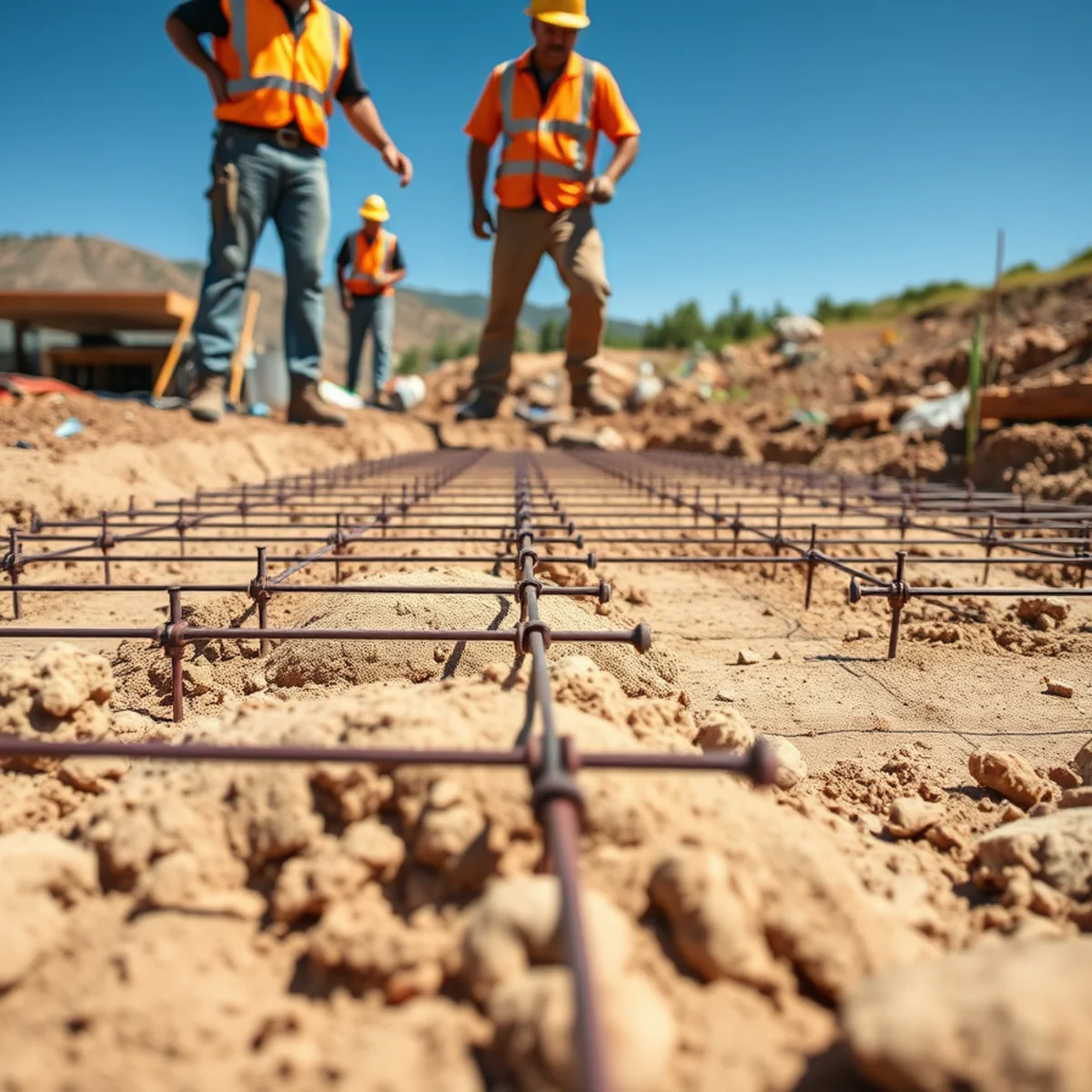 Local & Climate
Expansive Soil in Pueblo County: What It Means for Your Foundation
Pueblo County clay soils swell and shrink with moisture, cracking foundations and slabs. Here is what expansive soil means and how to build against it.
Read article