
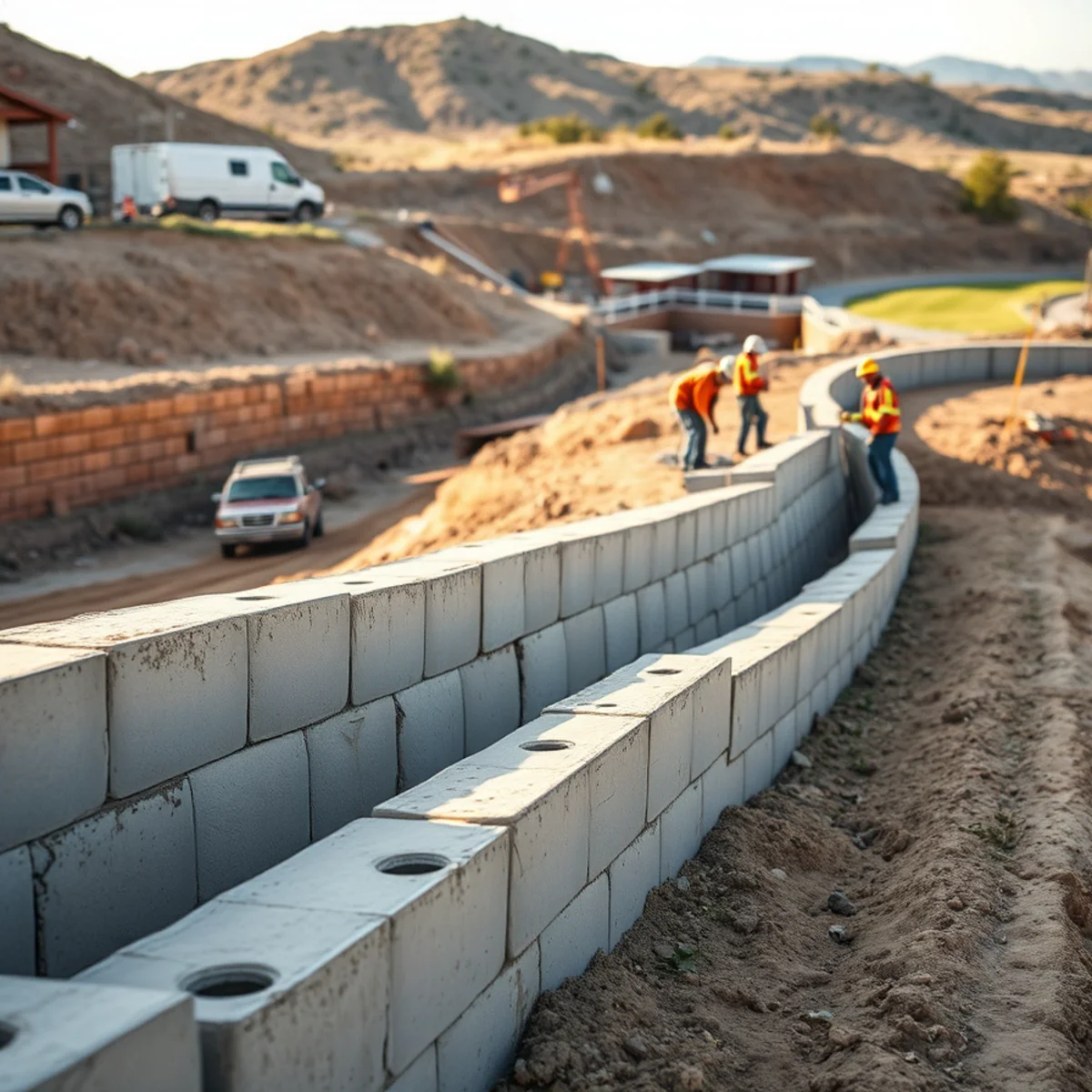
A retaining wall does one job — hold back soil — and it either does it for decades or it fails messily. The walls that fail almost always have the same problem: water. Soil behind a wall gets heavy when it's saturated, and without a way to drain, that water pressure pushes until the wall leans, cracks, or bows out. A poured concrete retaining wall, built with proper drainage and a solid footing, is one of the strongest ways to take back a sloped yard and keep it.
M.A.M. Concrete designs and pours concrete retaining walls for homes across Pueblo County — from terracing a backyard into a usable patio to holding a hillside above a driveway. We build in the drainage that makes a wall last, size the footing for the load, and bring in engineering when the height calls for it. On the sloped lots in the foothills west of town and around Rye and Beulah, a well-built wall is the difference between a yard you can use and one that is washing downhill.
Drainage is what makes a wall last
Every retaining wall is really a water-management project. The soil a wall holds back soaks up rain and snowmelt and gets heavier — that's hydrostatic pressure, and it's what destroys walls that weren't built to handle it. We build drainage into every wall from the start:
- Weep holes through the wall so trapped water has a way out.
- Gravel backfill behind the wall to channel water down instead of letting it push.
- Perforated drain pipe at the base to carry water away to daylight.
- Proper grading at the top so surface water runs away from the wall, not into the backfill.
Skip any of these and even a thick wall will eventually lose to water pressure. Build them in and a poured wall holds its line for decades.
Why poured concrete walls
Poured, cast-in-place concrete walls are monolithic — one continuous, steel-reinforced structure with no joints for soil to push through. That makes them stronger than stacked block for taller or heavier loads, and they hold up well against Pueblo's freeze-thaw when poured with the right mix and footing. Because the soils around here are expansive clay that swells and shrinks, the footing has to sit at the correct depth and width to stay stable — the same soil challenge we manage on concrete foundations. Our guide on building on expansive soil in Pueblo County explains why that footing matters.
What retaining walls solve
- Sloped and hillside yards — carve out flat, usable space for a lawn, garden, or patio.
- Erosion control — stop a hillside from washing toward your home or driveway.
- Terracing — step a steep grade into level tiers for planting or living space.
- Driveway and foundation support — hold soil above or below a driveway, or protect a foundation on a slope.
- Raised beds and seat walls — lower garden and landscape walls that tie into paver patios and walkways.
Tall walls and when engineering is required
Short landscape walls are straightforward. Once a wall gets tall or carries a heavy load — a driveway or structure above it, a steep slope behind it — the forces climb fast, and the wall needs to be engineered, not eyeballed. In many jurisdictions, walls over about four feet, measured from the bottom of the footing, require an engineer’s design and a permit. We know where that line falls locally, and for taller walls we bring in a structural engineer to spec the footing, reinforcement, and drainage. It costs a bit more up front and it is exactly what keeps a big wall standing.
A leaning wall is telling you something
Our retaining wall process
- Free on-site estimate. We look at your slope, soil, and drainage, discuss height and layout, and send a written quote.
- Design and engineering. We finalize the design and, for taller walls, bring in a structural engineer and pull the required permits.
- Excavation and footing. We excavate, set the footing at the proper depth and width for our soils, and place reinforcement.
- Form and pour. We form the wall, tie in steel, and pour a concrete mix suited to the load and our freeze-thaw climate.
- Drainage and backfill. We install weep holes, drain pipe, and gravel backfill, then grade the top to shed water.
- Finish and walk-through. We strip the forms, finish the face to your liking, clean up, and walk the project with you.
What affects the cost of a retaining wall
- Height and length — taller and longer walls need bigger footings and more concrete and steel.
- Engineering and permits — required for taller walls, and a smart investment for anything holding a serious load.
- Site access and slope — steep or tight sites take more time and equipment.
- Drainage system — proper weep holes, pipe, and gravel backfill are essential and factor into the cost.
- Finish — a plain structural face costs less than a formed texture, veneer, or decorative treatment.
Why Pueblo homeowners choose M.A.M. Concrete
We build retaining walls that respect what water and clay soil can do — because we've seen what happens to the ones that don't. Locally owned, straight about when a wall needs engineering, and never willing to skip the drainage that makes a wall last. Free estimates, a 10% veteran discount, and workmanship we stand behind. From the foothills around Rye to sloped lots in town, we build walls that hold their line.
Ready to talk about your concrete retaining walls project?
Free on-site estimates across Pueblo County & Southern Colorado. Call (833) 334-0468 or request a quote — we'll take it from there.
Concrete Retaining Walls: frequently asked questions
Related Services
Paver Installation
Interlocking paver patios, driveways, and walkways in Pueblo — proper base prep, edge restraints, and polymeric joints that stay tight.
Learn moreConcrete Patios
Broom, stamped, or exposed-aggregate patios poured for Pueblo's sun and freeze-thaw — with drainage that protects your home.
Learn moreConcrete Foundations
Slab-on-grade, stem-wall & footing foundations engineered for Pueblo County's expansive clay soils and built to stay level.
Learn moreHelpful Reading
 Local & Climate
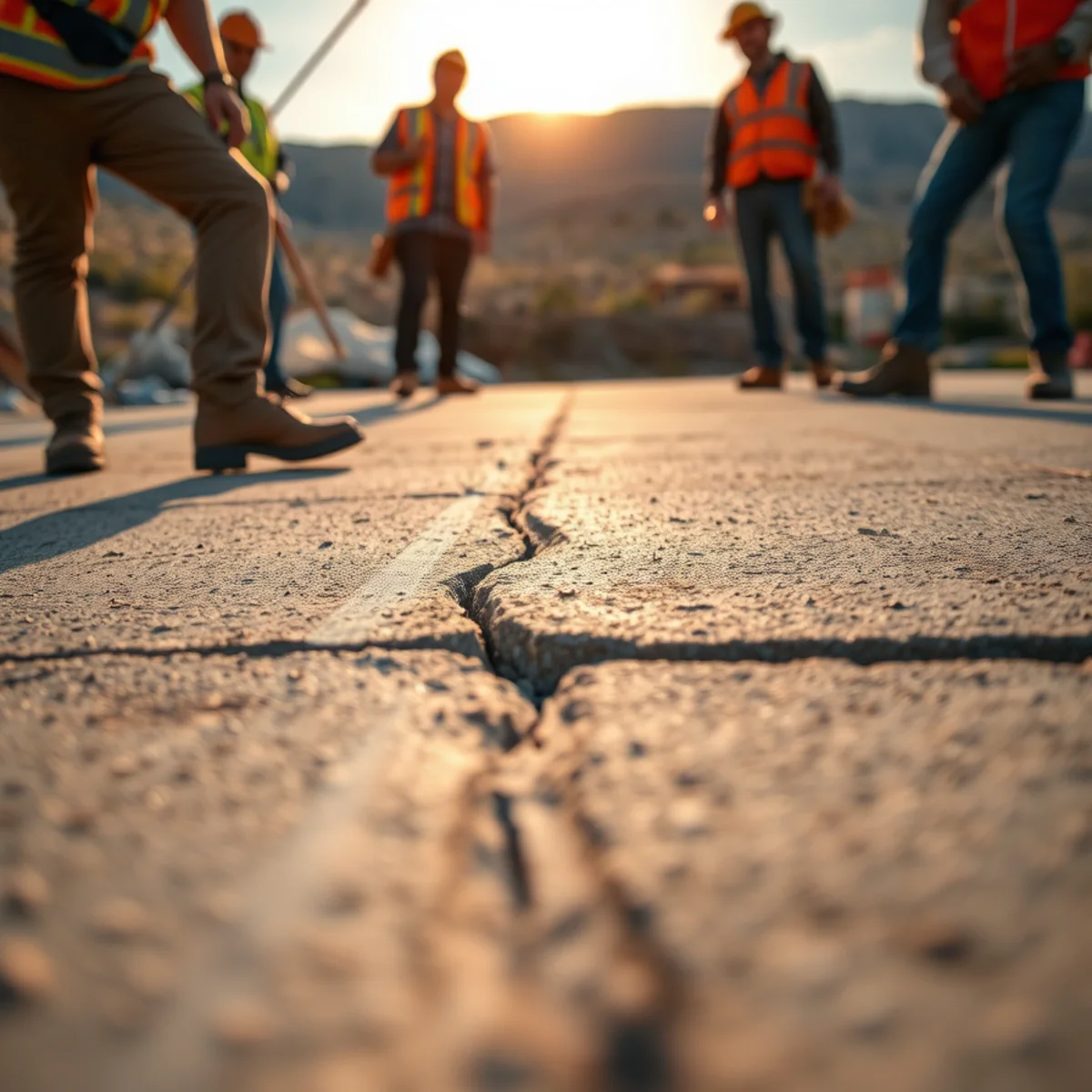
Why Concrete Cracks in Southern Colorado — and When to Worry
Almost all concrete cracks — the question is which kind. Here is how to tell harmless shrinkage cracks from the ones that signal a real problem.
Read article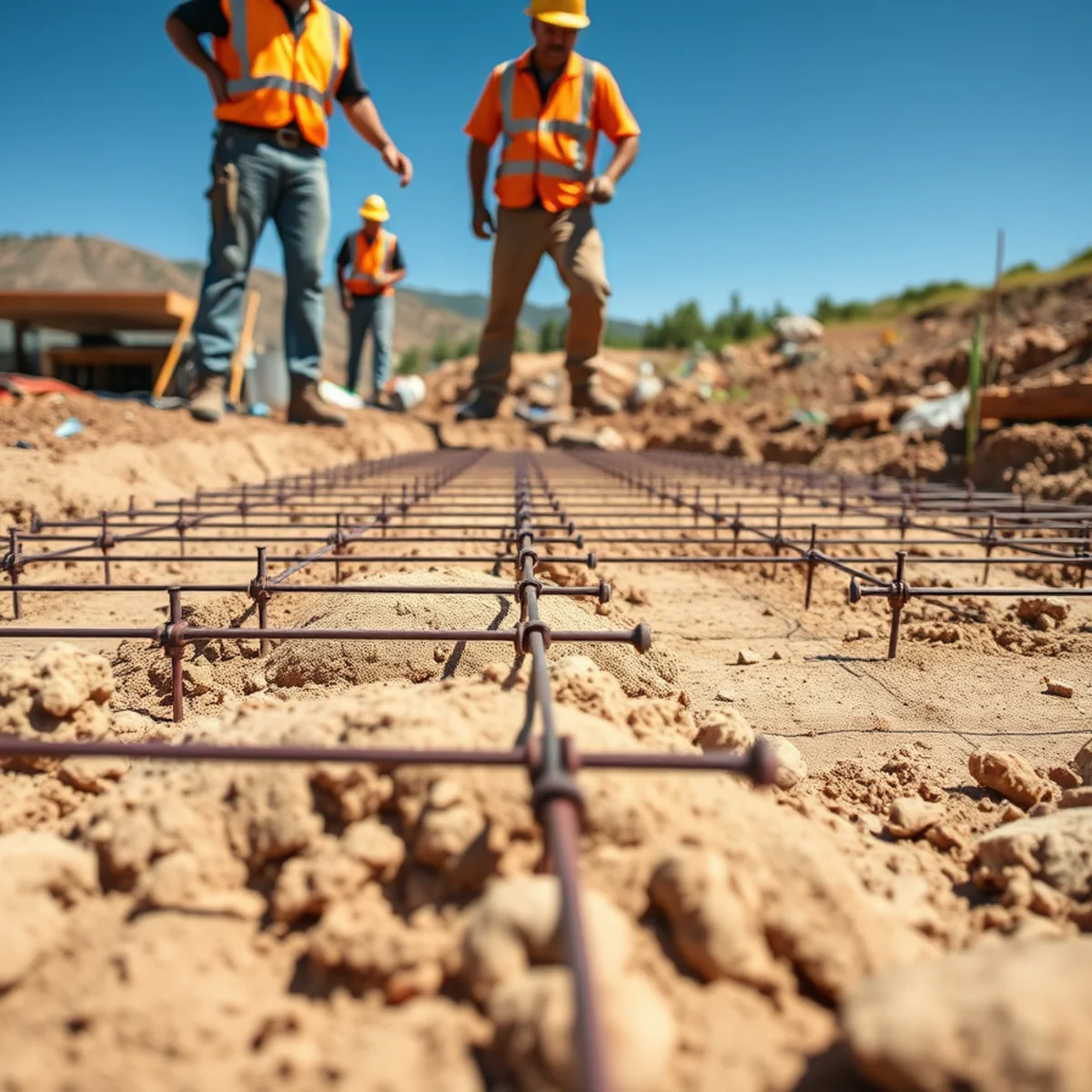 Local & Climate
Expansive Soil in Pueblo County: What It Means for Your Foundation
Pueblo County clay soils swell and shrink with moisture, cracking foundations and slabs. Here is what expansive soil means and how to build against it.
Read article